Hockey Performance and Heated Rivalry
My wife and I recently became enamored with the television series Heated Rivalry, like a good portion of the country it seems. And there’s a lot with the series that she and I have both found utterly compelling.
But one area that I find truly fascinating — and this is based off several conversations I’ve had with people on Bluesky and elsewhere — is how the series so completely understands the nuance of hockey Performance or the performative elements embedded in hockey.
As someone who has long loved the sport, it’s become something of a cliche in sports circles for North American hockey players — especially Canadians — to bury any public response to any question within layer upon layer of well-trodden cliches. In a recent article on The Athletic, Flyers beat writer Kevin Kurtz fielded a question about this very dynamic: players privately and semi-publicly are known for their unique personalities, but Kurtz theorized that part of this performative structure was not simply based on the insular hockey communities that many players are raised in, but also the increasing specter of social media wherein a quote taken out of context can be, in essence, memed internationally within hours.
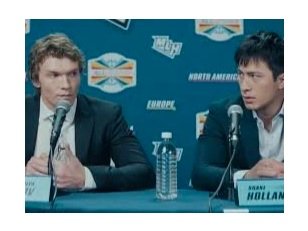
In that vein, I think of this clip from the first episode of the series wherein we see contrasting interviews between Shane and Ilya:
When Shane sees the viral clip of IIya bragging about wanting to get 50 goals, the Canadian star of the Montreal team chuckles and responds with “What an asshole.” When we next see Shane being interviewed post-game a few frames later, Shane reverts to his tried and true cliches to the reporter’s questions — including “any goal is a good goal to score.”
In contrast, and granted we are still not finished with the series, take Ilya’s speech before the concluding game of his Boston Raiders vs the San Francisco team for the league championship:
In a previous scene, Ilya’s dad had admonished him for the Russian Olympic team’s lackluster play in a loss to Latvia, and specifically called out the team’s apparent obsession with adopting a North American-style approach to the philosophy of the game. In his down-dressing of Ilya, his father blasts his forgetting of Soviet — I mean Russian — hockey and its emphasis on individuality and creativity over a kind of North American rigidity. One of the ironies of the Soviet-style game in the 60s and 70s was that the national games featured players who could perform at their peak, creative outlets but also function within a highly-regimented setting. And here in the clip, as he rallies the troops before their eventual win, Ilya focuses on himself and how many goals he has scored to this point. But they don’t matter as long as he wins.
But the coup de-grace —- and arguably my favorite scene in the entire series —- is Ilya and Shane’s super-awkward performance at the MHL Awards Ceremony. I have long been a fan of the kitschy NHL Awards show — and I miss the Ron MacLean-led skits (Ron calling Phil Esposito and informing him the league is retroactively removing 90 percent of his goals due to him being in the crease is quite funny), but the actors and the show simply nail the stilted language and line reading of both hockey players, and the selfie request is the perfect level of hooky.
A lot of energy has been spent detailing the complex fandom surrounding the show, its portrayal of queerness, and a litany of other issues, but to me, one of the stellar aspects of the acting and production is just how well the show understands this tension between private performance of hockey players and their public performances.